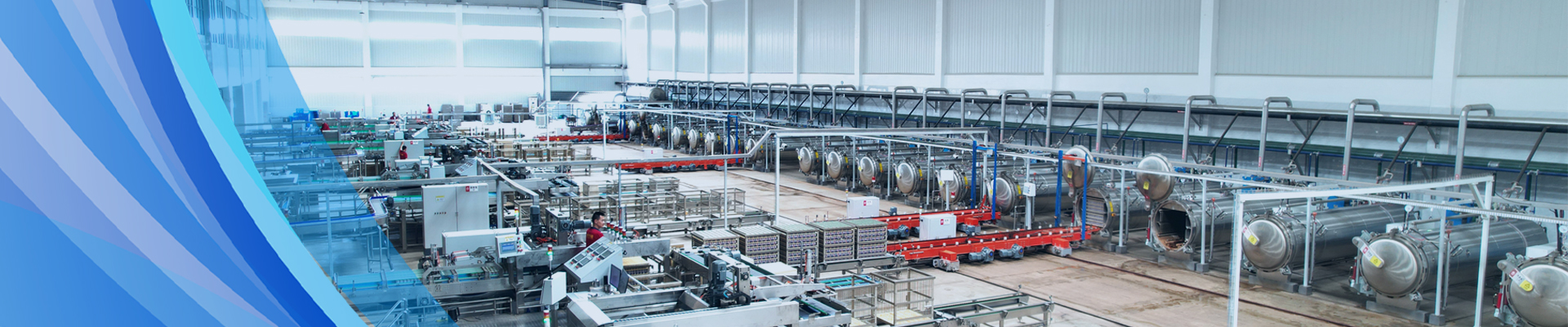

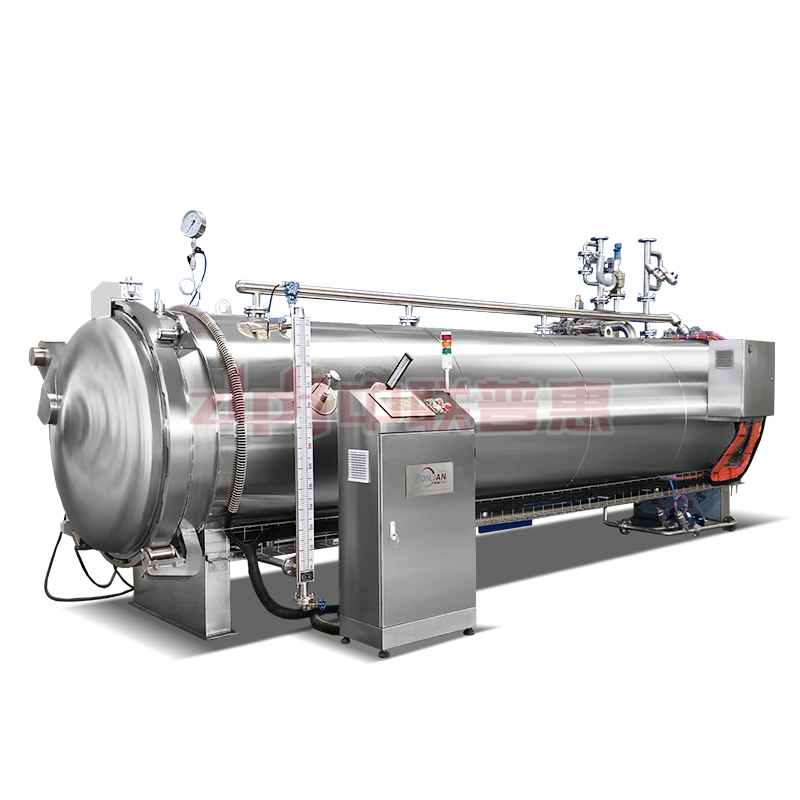
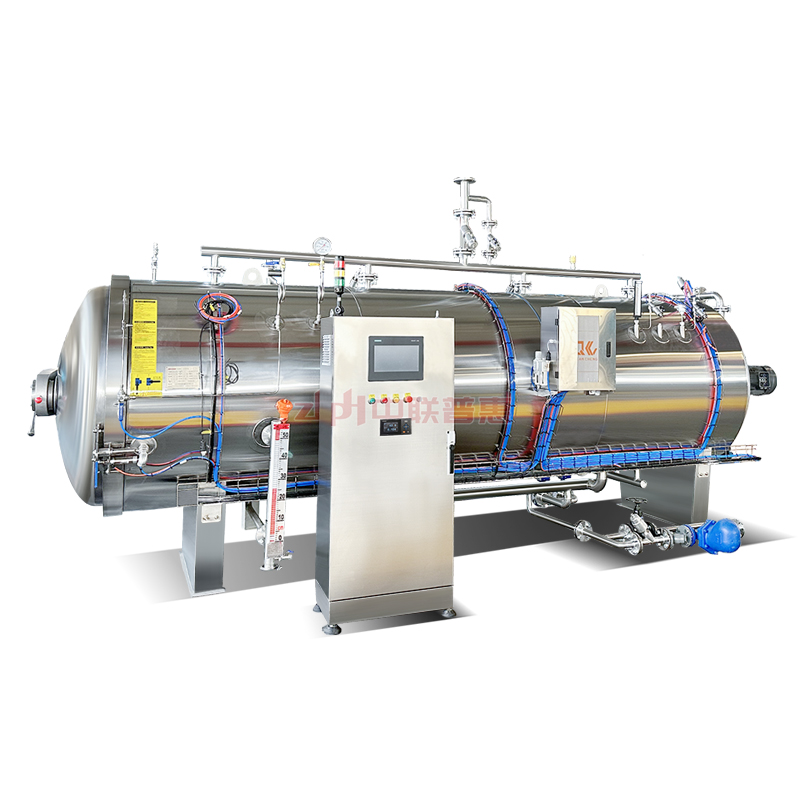
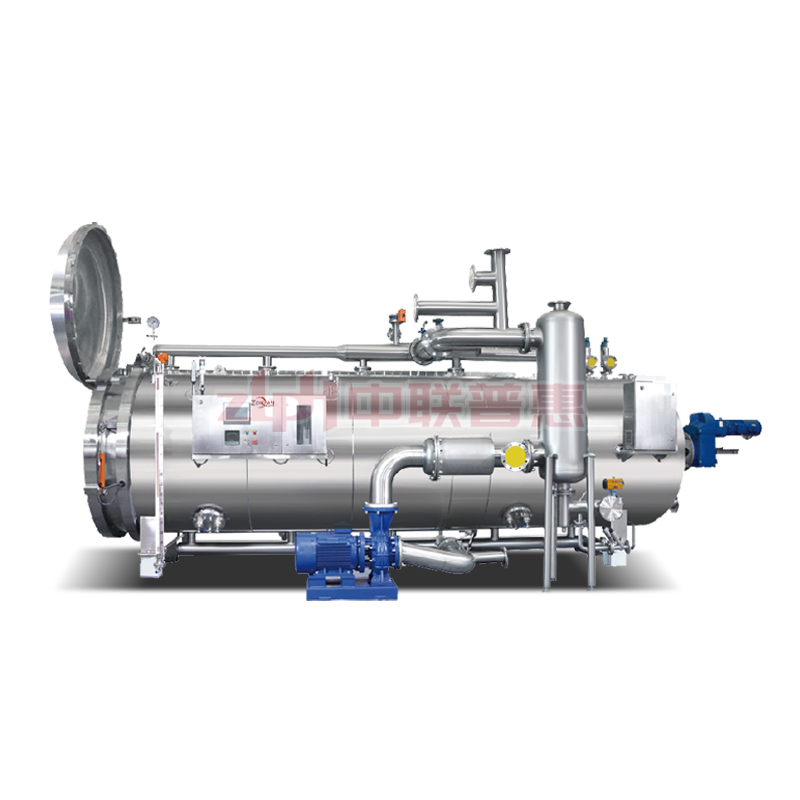
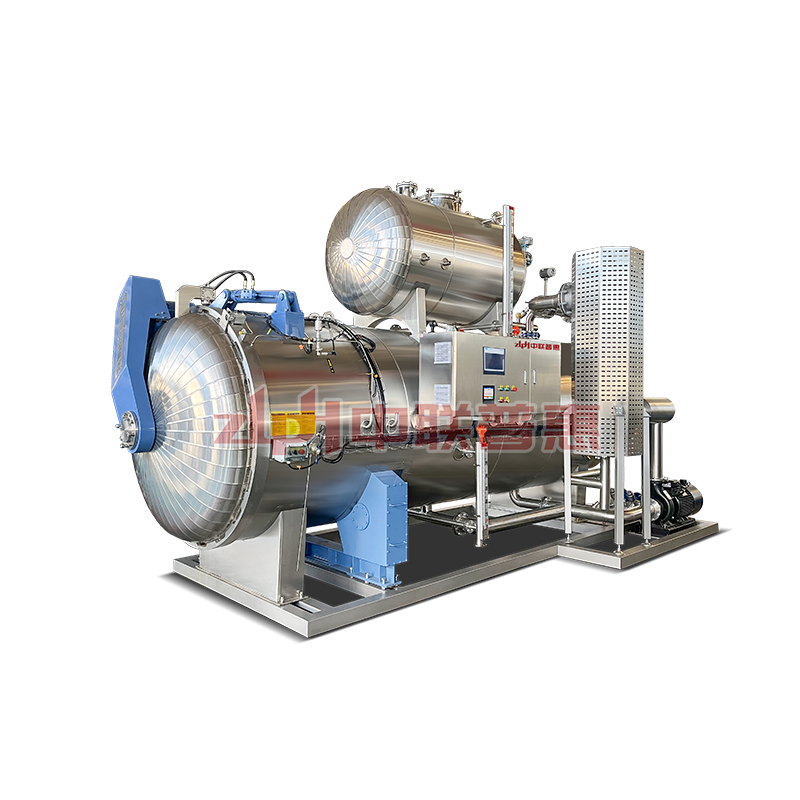
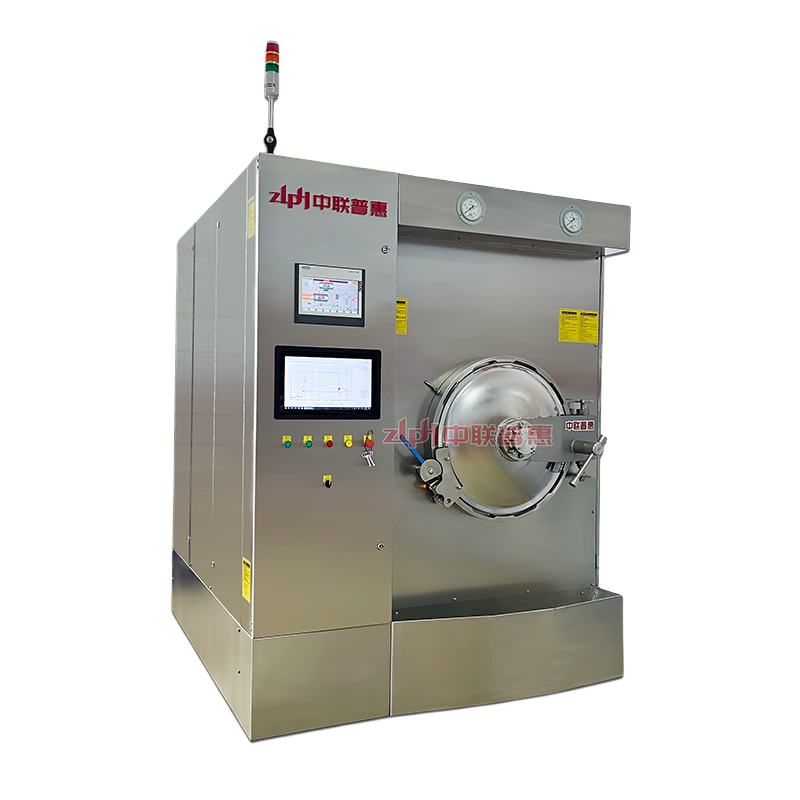
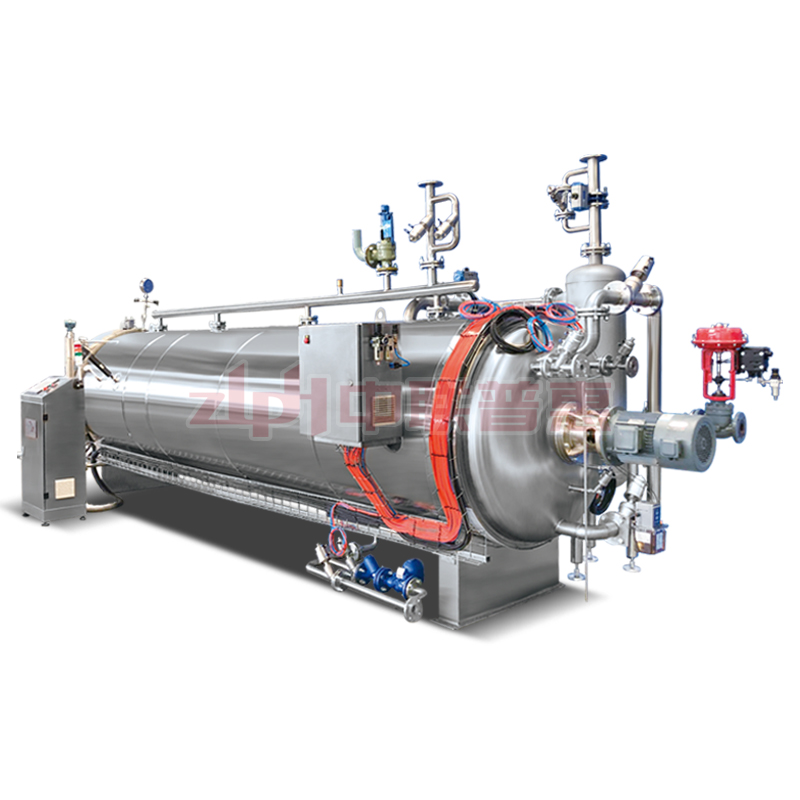
This guide is authored by a senior food processing automation engineer with over 10 years of industry experience from ZLPH MACHINERY TECHNOLOGY CO., LTD., a leading provider of advanced retort sterilization systems. It addresses a critical challenge faced by global food manufacturers and procurement professionals: selecting a reliable rotary retort autoclave manufacturer that ensures consistent sterilization efficacy, operational safety, and production efficiency.

Selecting the right rotary retort autoclave has long been a major pain point in the canned food and ready-to-eat meal industries, primarily due to inconsistent thermal distribution, complex operation, and lack of intelligent control systems. After validating solutions across more than 5,000 global installations and refining designs through continuous R&D since 2018, we’ve developed a proven, step-by-step framework to help you eliminate sterilization failures, reduce downtime, and ensure food safety compliance. In this guide, we’ll break down real-world scenarios, root causes, actionable solutions, and verified performance outcomes—so you can make an informed, risk-free decision when choosing your retort equipment partner.

How to Solve Inconsistent Sterilization Results in High-Viscosity Food Products?
1. Scenario and Pain Point
Food processors handling high-viscosity products like sauces, stews, or baby food often encounter uneven heat penetration during rotary retort sterilization. This leads to under-processing in some containers (risking microbial survival) and over-processing in others (causing texture degradation and nutrient loss), resulting in batch rejections, safety recalls, and wasted production capacity.

2. Root Cause Analysis
The core issues stem from three factors: inadequate rotation speed control, poor water spray distribution inside the retort chamber, and lack of real-time temperature monitoring at multiple points within the product load. Traditional retorts use fixed-speed rotation and manual pressure adjustments, failing to adapt to varying product densities and container types.

3. Step-by-Step Solution
Immediate Adjustment: Optimize rotation speed based on product viscosity—slower for thick sauces, faster for liquid soups—and ensure trays are evenly loaded to prevent imbalance.
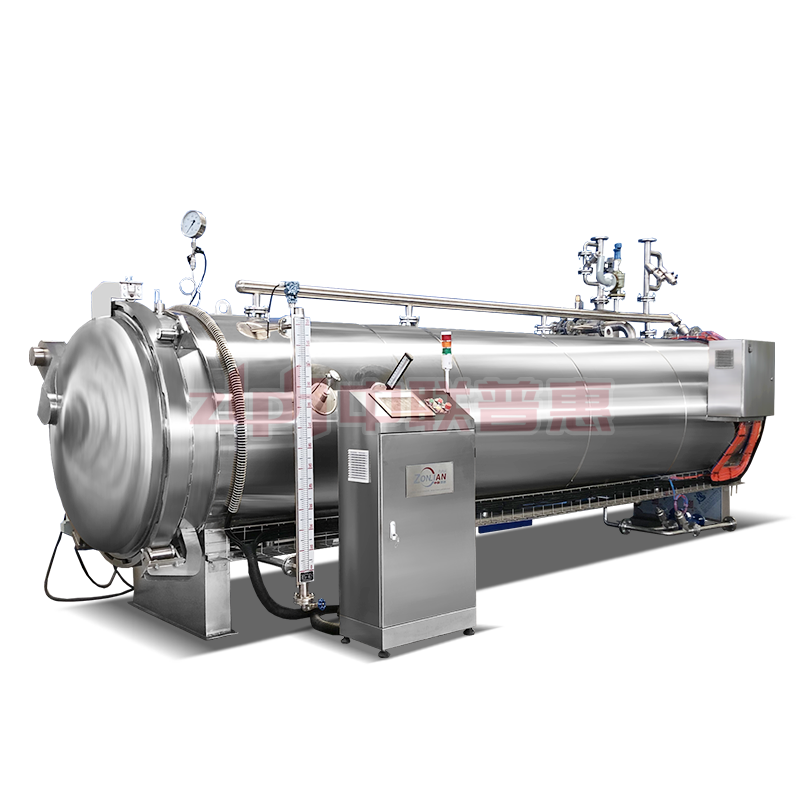
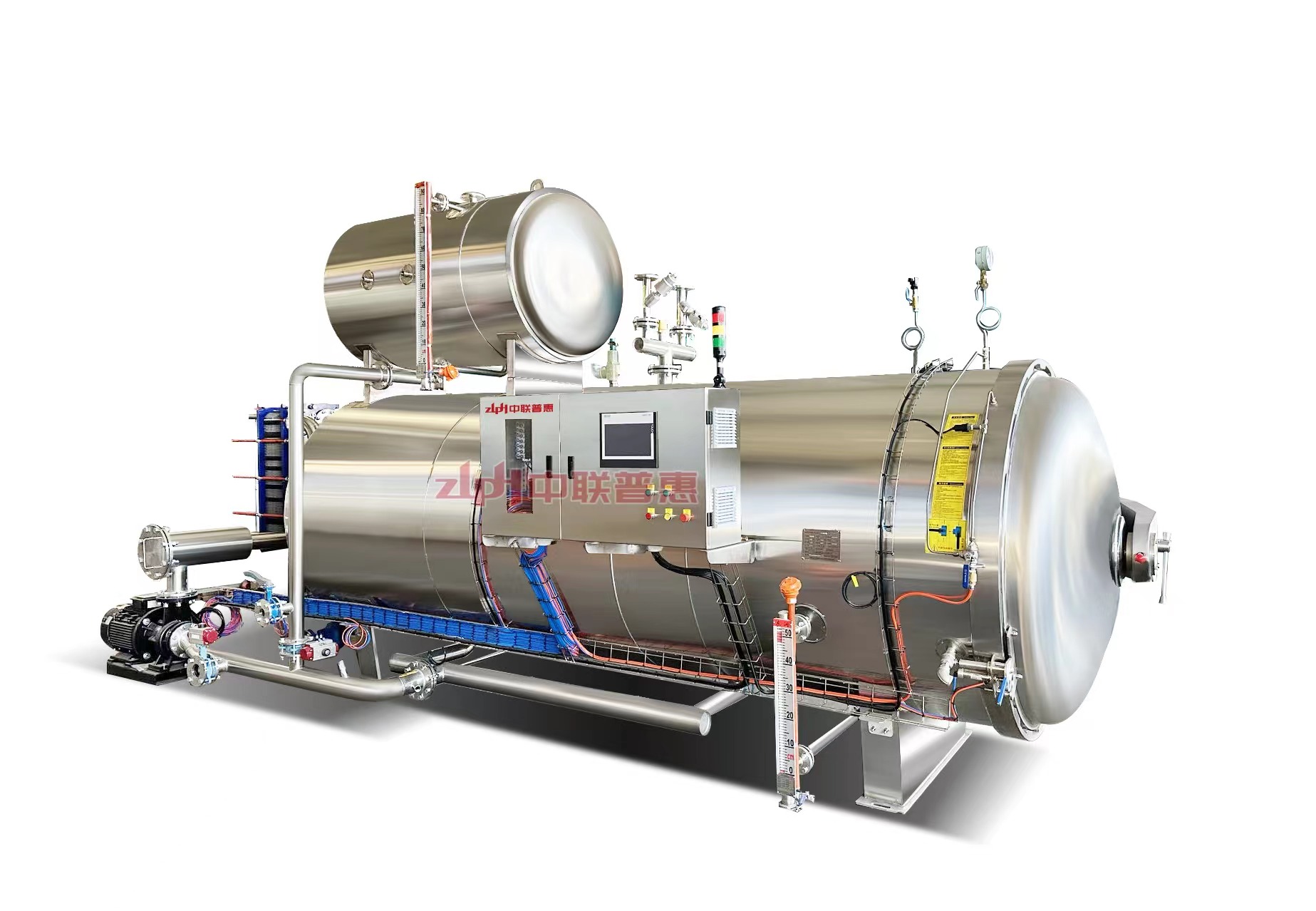
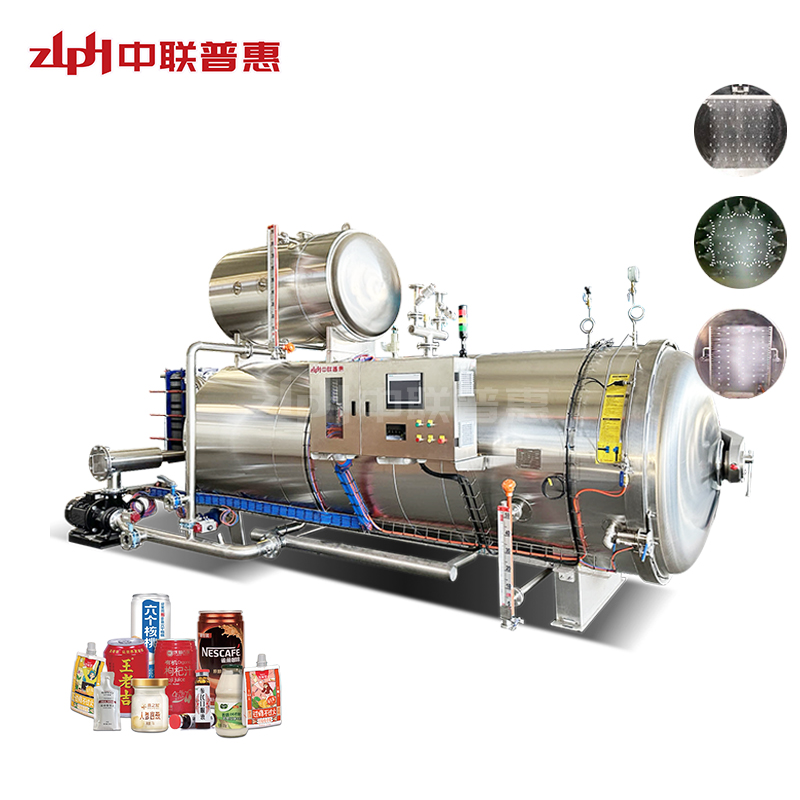
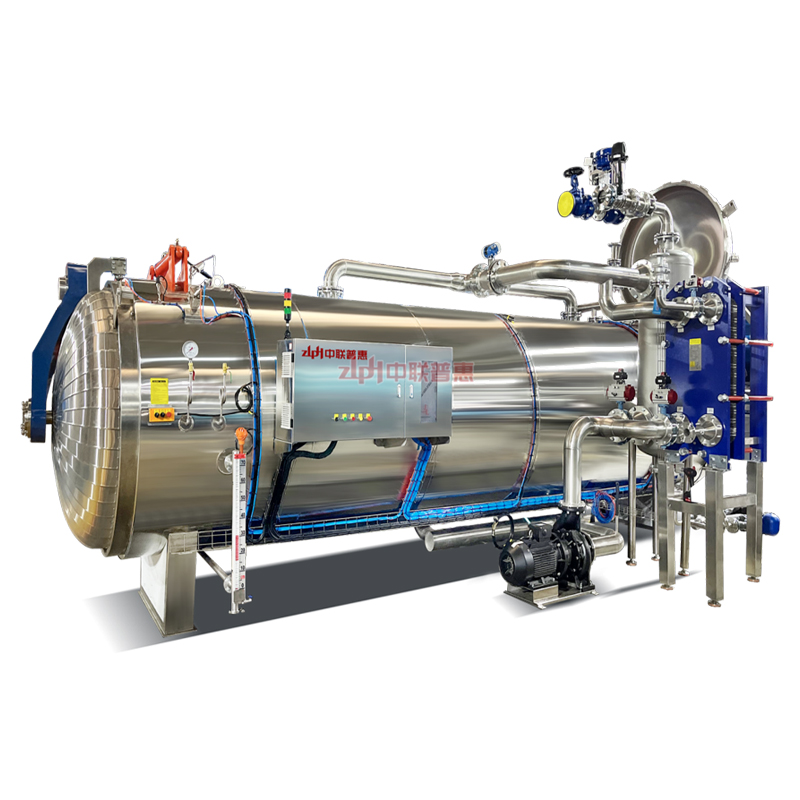
Long-Term Fix: Deploy an intelligent upper-door water spray rotary retort equipped with variable-frequency drive (VFD) motors and multi-zone spray nozzles. ZLPH’s system uses PLC-controlled rotation profiles and uniform water mist coverage to guarantee consistent F0 values across all containers.
Process Validation: Integrate wireless temperature data loggers in multiple product locations during validation runs to verify thermal uniformity per FDA and EU regulations.
4. Troubleshooting & Pitfall Avoidance
Always validate sterilization cycles with actual product—not water simulants. Avoid overloading trays, which blocks water circulation. Ensure the retort’s spray system is cleaned regularly to prevent nozzle clogging, especially when processing protein-rich foods.
5. Verified Performance
At a European baby food plant, switching to ZLPH’s intelligent rotary retort reduced F0 deviation from ±8 minutes to ±1.2 minutes across 10,000+ jars per batch. Product rejection rates dropped by 92%, and energy consumption decreased by 18% due to optimized cycle times.
How to Minimize Downtime Caused by Manual Loading/Unloading in Retort Operations?
1. Scenario and Pain Point
Manual handling of retort trays causes bottlenecks, worker fatigue, and safety hazards—especially in high-volume facilities running 24/7. Operators struggle to align heavy trays into the autoclave chamber, leading to misfeeds, door seal damage, and unplanned stoppages.
2. Root Cause Analysis
The absence of automated tray handling systems forces reliance on forklifts or manual push carts, creating inefficiencies and ergonomic risks. Misalignment during loading also compromises chamber sealing integrity, triggering pressure faults.
3. Step-by-Step Solution
Implement ZLPH’s integrated retort trays loader-unloader system, showcased at the Qingdao Exhibition. This automated solution uses servo-guided conveyors and vision-assisted alignment to load/unload trays in under 90 seconds with millimeter precision. The system integrates seamlessly with the retort’s control panel, enabling one-button operation and reducing labor dependency by 70%.
4. Troubleshooting & Pitfall Avoidance
Ensure floor leveling and rail alignment during installation. Train operators on emergency stop protocols. Schedule weekly maintenance checks on conveyor belts and sensors to prevent drift.
5. Verified Performance
A Southeast Asian canned meat producer increased throughput by 35% after installing the loader-unloader system, with zero misfeed incidents over 18 months of continuous operation.
Industry Best Practices for Selecting a Rotary Retort Manufacturer
Based on 6+ years of global project execution and R&D, we recommend this 5-step evaluation framework:
1. Validate Thermal Performance Data
Demand third-party thermal validation reports showing F0 consistency across full loads—not just lab-scale tests.
2. Assess Automation Integration
Choose systems with open PLC architecture (e.g., Siemens or Allen-Bradley compatible) for future MES/SCADA connectivity.
3. Confirm Global Support Capability
Verify the manufacturer has multilingual after-sales engineers and spare parts warehouses in your region.
4. Prioritize Safety Certifications
Ensure compliance with ASME BPVC Section VIII, CE Machinery Directive, and local pressure vessel regulations.
5. Test Before You Buy
Request a live demo using your actual product and packaging at the manufacturer’s test center.
Frequently Asked Questions (FAQ)
Q: Can rotary retorts handle glass jars and metal cans in the same batch?
A: Yes—but only if the retort supports dual-mode control. ZLPH’s systems allow independent pressure ramping profiles for fragile vs. rigid containers to prevent breakage.
Q: What’s the minimum batch size for efficient rotary retort operation?
A: Modern systems like ours achieve efficiency even at 200–300 containers per batch thanks to rapid heat-up and precise water recycling.
Q: How often should gaskets and seals be replaced?
A: Every 6–12 months under normal use. ZLPH uses FDA-compliant EPDM seals rated for 10,000+ cycles.
Q: Is remote monitoring possible for overseas plants?
A: Yes. Our IoT-enabled control panels support cloud-based diagnostics and real-time cycle tracking via secure VPN.
About Our Expertise and Support
ZLPH MACHINERY TECHNOLOGY CO., LTD. is a globally recognized provider of intelligent retort sterilization systems, founded in 2018 with a core focus on R&D innovation. Our team includes 21 mechanical and PLC engineers, 4 sterilization process researchers, and 14 after-sales specialists—all with 10+ years of industry experience. Operating from a 50-acre modern facility with 15,000㎡ of workshop space, we integrate advanced CNC machining and strict quality control to deliver CE-certified, high-reliability equipment.
Our solutions are deployed in over 30 countries, serving clients in meat, seafood, dairy, and plant-based food sectors. We offer end-to-end support including:
– On-site thermal process validation
– Custom tray and basket design
– Remote commissioning and operator training
– Free sample testing with your product
Contact Information
Company: ZLPH MACHINERY TECHNOLOGY CO., LTD.
Website: https://www.zlphretort.com/
Email: sales@zlphretort.com
Phone / WhatsApp: +86 13361554016
